
You’ve invested in a beautiful landscape—now how do you keep it looking its best? At Ridgescape, we believe that maintenance shouldn’t feel like a chore. With the right knowledge and a few smart habits, your garden can thrive with minimal effort.
Understanding Nairobi’s Unique Climate
Nairobi sits at 1,795 meters above sea level, giving us a temperate climate that’s quite different from Kenya’s coast. We experience:
- Two rainy seasons (March-May and October-December)
- Cool, dry months (June-September)
- Warm, dry periods (January-February)
Your garden care routine should shift with these seasons.
Watering Wisdom
During Rainy Season:
Reduce supplemental watering significantly. Overwatering is just as harmful as underwatering. Check soil moisture before watering—if it’s damp 5cm below the surface, skip it.
During Dry Season:
Water deeply but less frequently. Morning watering (before 9 AM) reduces evaporation and helps plants cope with afternoon heat. A thick layer of mulch retains moisture and keeps roots cool.
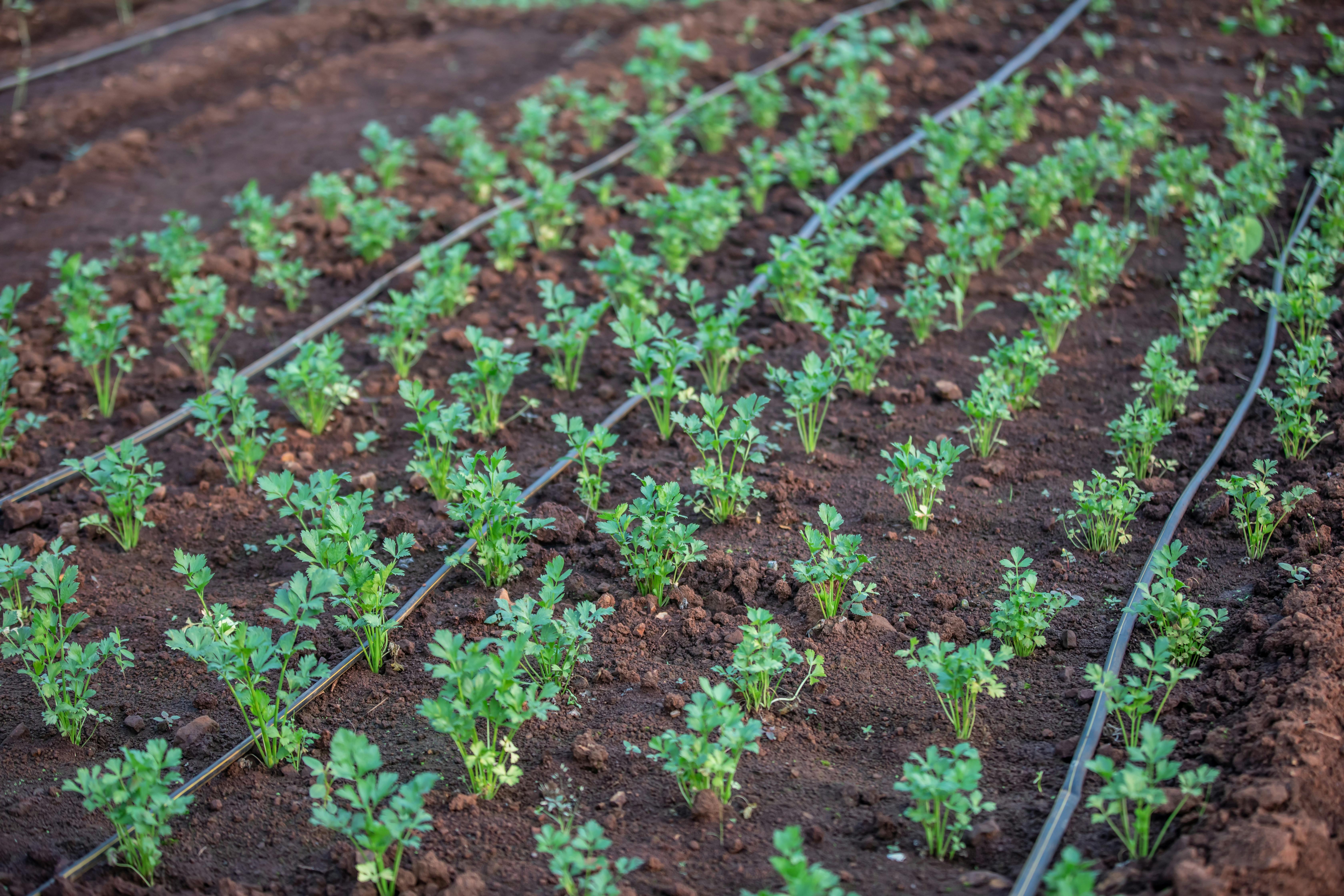
Pro Tip: Invest in drip irrigation or soaker hoses. They deliver water directly to roots, reducing waste and preventing fungal diseases caused by wet foliage.
Choosing the Right Plants
Not all plants are created equal when it comes to Nairobi’s climate. Here are some of our favorites:
For Full Sun:
- Lantana camara (Lantana) – colorful, drought-tolerant, and attracts butterflies
- Plumbago auriculata (Cape Leadwort) – beautiful blue flowers, low maintenance
- Yucca filamentosa – architectural drama with zero fuss
For Shade:
- Aspidistra elatior (Cast Iron Plant) – nearly indestructible
- Chlorophytum comosum (Spider Plant) – purifies air and thrives in low light
- Ferns – add lush texture to shaded corners
For Indoor Spaces:
- Sansevieria (Snake Plant) – survives neglect and poor light
- Pothos – easy trailing plant that grows in water or soil
- ZZ Plant – glossy leaves, minimal care required
Monthly Maintenance Checklist
Every Month:
- Remove dead leaves and spent flowers
- Check for pest issues (look under leaves)
- Replenish mulch as needed
- Trim overgrown plants to maintain shape
Every Quarter:
- Feed plants with slow-release organic fertilizer
- Inspect irrigation systems for leaks or clogs
- Assess plant health and replace struggling specimens
Twice a Year:
- Deep prune shrubs and trees (best done after rainy seasons)
- Refresh potting soil in containers
- Divide overcrowded perennials
When to Call in the Experts
Some tasks are better left to professionals:
- Tree pruning above 3 meters height
- Irrigation system repairs or upgrades
- Major redesigns or hardscape work
- Pest or disease problems you can’t identify
At Ridgescape, our garden maintenance service takes the guesswork out of care. We create custom plans based on your specific plants and schedule, ensuring your landscape stays healthy and beautiful year-round.
Final Thoughts
A thriving garden isn’t about perfection—it’s about attention. A few minutes each week observing your plants, noticing changes, and responding to their needs goes a long way.
Need help keeping your garden in peak condition? Explore our maintenance services or reach out for personalized advice. We’re here to help your outdoor spaces flourish.